
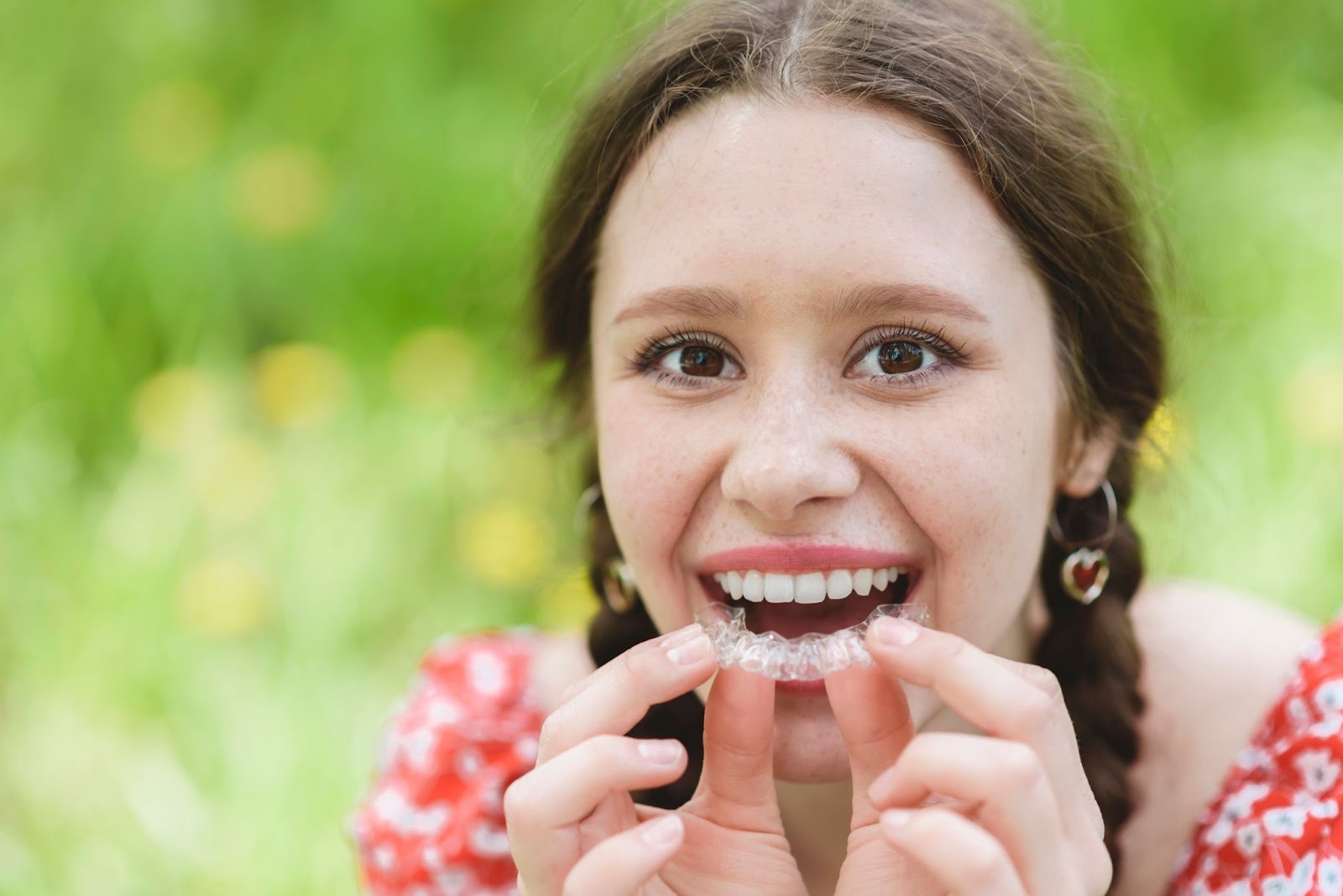
Most patients are surprised by how retainers keep braces in shape once the brackets and wires are gone. The braces visit feels finished, teeth feel smooth, and then a small and clear tray or thin wire suddenly becomes the thing that decides how long those results last.
Questions about how often to wear retainers, what happens if one is lost, and how strict the schedule really is come up all the time in our Winnipeg offices on St. Anne’s Road and Portage Avenue. Dr. Adriana Salles, Dr. Saffana, and orthodontist Dr. Alvaro Salles focus on simple and realistic retainer routines that fit busy school days, long winters, and everyday life after braces.
What Happens To Teeth After Braces Come Off
Once braces come off, the next step is understanding how retainers keep braces in shape over time. Retainer wear is what decides whether teeth stay where they were moved or slowly drift, so clear expectations matter for kids, teens, and adults in Winnipeg.
Our team at TopSmiles Pediatric Dentistry and Orthodontics, including Dr. Adriana Salles, Dr. Saffana, and orthodontist Dr. Alvaro Salles, walks patients through simple, realistic retainer routines in our Winnipeg offices on St. Anne’s Road and Portage Avenue. It’s helpful to make retainer wear feel manageable on busy school days, winter evenings, and everything in between.
How Retainers Keep Braces in Shape After Treatment
Retainers do the quiet work after braces come off. This is how retainers keep braces in shape once active treatment is finished. Braces move teeth. Retainers hold those teeth where they were moved so bone and gums can settle around the new positions.
Right after braces, most patients wear retainers most of the day, removing them for meals, brushing, and contact sports. After that early phase, the plan usually shifts to wearing them at night. That night wear still matters, because teeth can shift slowly over the years with growth, clenching, or simple daily habits.
The American Association of Orthodontists describes retainers as a standard part of orthodontic care, not an add-on, and explains that long-term stability depends on consistent wear.
Retainer Schedules That Work
Instructions make sense in the chair, then they have to fit around early mornings, winter boots by the door, after school activities, and tired evenings. The goal is a plan that keeps teeth steady without feeling impossible.
For most kids and teens, the schedule usually looks like this:
- During the first 3 to 6 months, wear retainers most of the day and take them out for meals, brushing, and contact sports
- After that initial stretch, move to wearing retainers at night unless Dr. Alvaro Salles recommends something different
- Long term, keep wearing retainers at night several times a week so teeth stay where braces moved them
Small habits help this stick on busy Winnipeg days:
- Put retainers in right after brushing before bed
- Keep the case beside the toothbrush at both homes if parents live in different houses
- Set a phone reminder during exam season or tournament weeks when routines tend to slide
This pattern works for kids heading to schools in the Louis Riel or Winnipeg School Division, teens coming home late from the rink, and adults commuting from areas like St. Vital or Westwood who still want the results from braces to last.
How To Help Kids And Teens Stick With Retainers
Younger patients rarely dislike retainers on purpose. Usually, they forget them during sleepovers, sports tournaments, or busy evenings.
These ideas tend to help:
- Make the case part of the routine. Label the case clearly and pick a colour your child likes so it stands out in a backpack or locker.
- Give retainers a “home.” Many families pick one safe spot on the kitchen counter or bedroom shelf where the case stays when retainers are not in the mouth.
- Use visual checks. A quick look at bedtime helps parents catch missed nights without nagging during the day.
- Tie wear to goals that matter to your child. Some kids care about school pictures, others about feeling confident at a piano recital or hockey banquet. Connecting retainer wear to those moments often works better than repeating rules.
If a teen is struggling, say so at the next visit. Small changes in schedule or retainer style sometimes make a big difference.
How To Clean And Care For Retainers
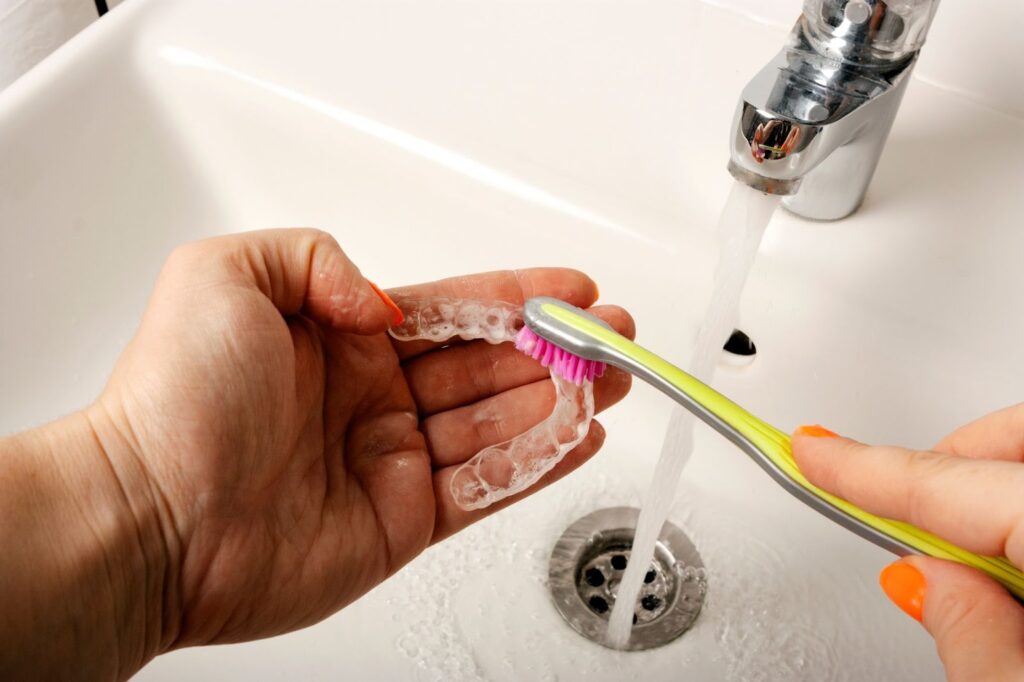
Clean retainers feel better and last longer. A few simple habits go a long way:
- Rinse retainers with cool water when they come out of the mouth.
- Use a soft toothbrush and mild soap once a day for removable retainers, unless you were given different instructions.
- Avoid hot water, which can warp clear trays.
- Keep retainers away from pockets, napkins, and open food trays, since that is where many get accidentally thrown out.
For fixed retainers, floss threaders or small interdental brushes help reach around the wire. Regular dental cleanings support that home care so plaque does not build up around the area.
Common Retainer Problems And What To Do
Life happens, even with the best intentions.
Retainer feels tight or does not seat fully:
That often means the retainer has been out more than recommended and teeth have started to move. Try placing it gently. If it will not sit all the way on the teeth, contact the office before forcing it.
Retainer cracks or breaks:
Keep the broken pieces in the case and call for an appointment. Bringing the pieces helps the team see what happened and decide whether a simple repair or a full replacement works best.
Retainer is lost:
This situation is common after school lunches, picnics at Assiniboine Park, or birthday parties. Reach out quickly so a new retainer can be made while the teeth are still close to their ideal position.
Waiting weeks or months in any of these situations gives teeth more time to drift.

Do You Have Questions About Your Retainer In Winnipeg?
If a retainer feels tight, does not sit like it used to, or has gone missing, a quick visit often helps more than waiting to see what happens. Reach out to TopSmiles Pediatric Dentistry and Orthodontics on St. Anne’s Road or Portage Avenue, and our team with Dr. Adriana Salles, Dr. Saffana, and Dr. Alvaro Salles can check the fit, talk through your routine, and help you get back on track after braces. Contact us to schedule your appointment.