
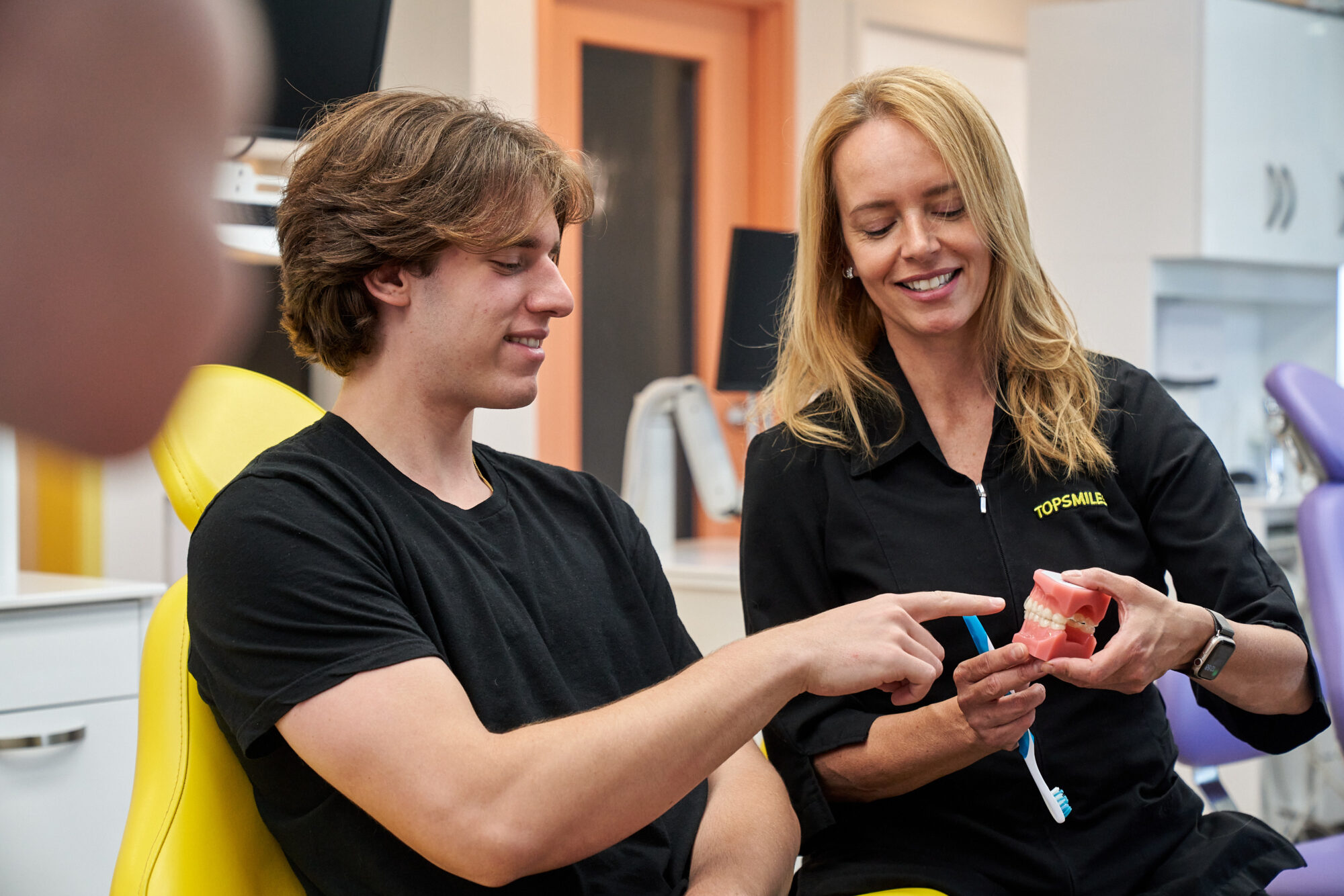
Teen orthodontic treatment corrects misaligned teeth and bite issues during the adolescent years, when most permanent teeth have erupted and the jaws are still growing. The reason teens are such good candidates comes down to timing and results. At Topsmiles Pediatric Dentistry & Orthodontics in Winnipeg, our team uses metal braces, clear braces, or clear aligners to gently guide teeth into their proper position.
The teen years are a sweet spot for straightening smiles. Growth is still happening, which means we can shape bite alignment more easily than we can later in life.
Common issues we address during this stage include:
- Crowded or overlapping teeth
- Gaps between teeth
- Overbites and underbites
- Crossbites and open bites
- Protruding front teeth
Each teen’s mouth is different, so each plan is too. Dr. Alvaro Salles, the orthodontist at Topsmiles, builds a smile transformation around your teen’s specific needs, lifestyle, and goals, while Dr. Adriana Salles supports the kids dentistry side of care.
How Teen Orthodontic Treatment Works
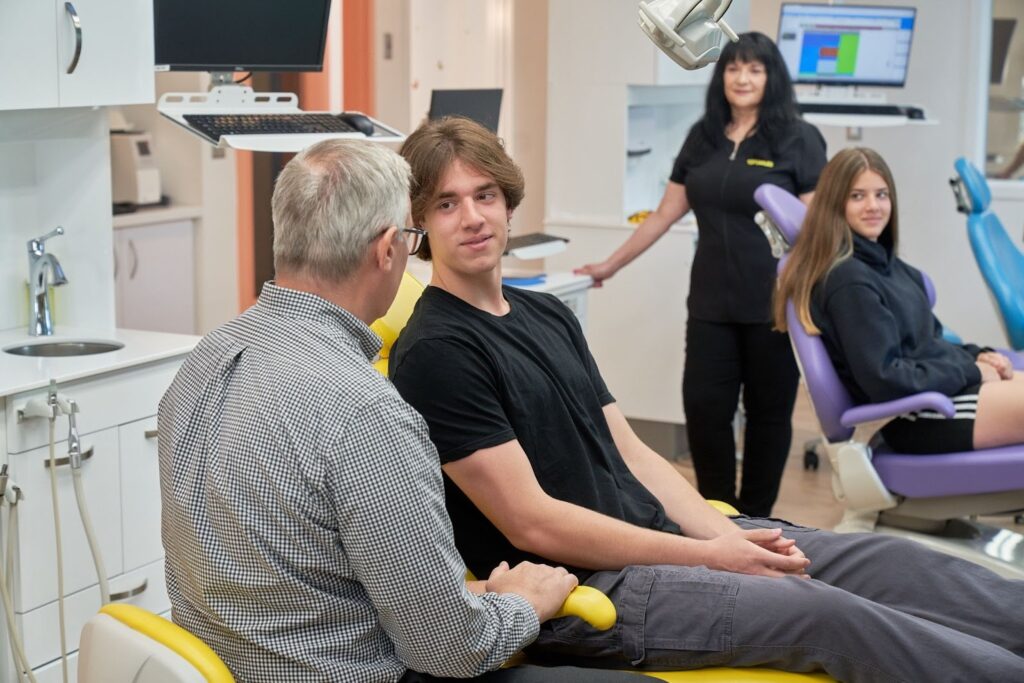
Teen orthodontic treatment works by applying gentle, steady pressure to shift teeth into their ideal position over time. It starts with a free ortho consult, includes a custom plan built from X-rays and digital scans, and continues through periodic adjustments. Most teens finish active treatment in 12 to 24 months, then wear a retainer to protect the new smile. Many Winnipeg families are surprised at how routine the whole process becomes.
Here’s what the process looks like step by step:
- Free ortho consult. Dr. Alvaro Salles examines your teen’s teeth, bite, and jaw alignment and answers your questions.
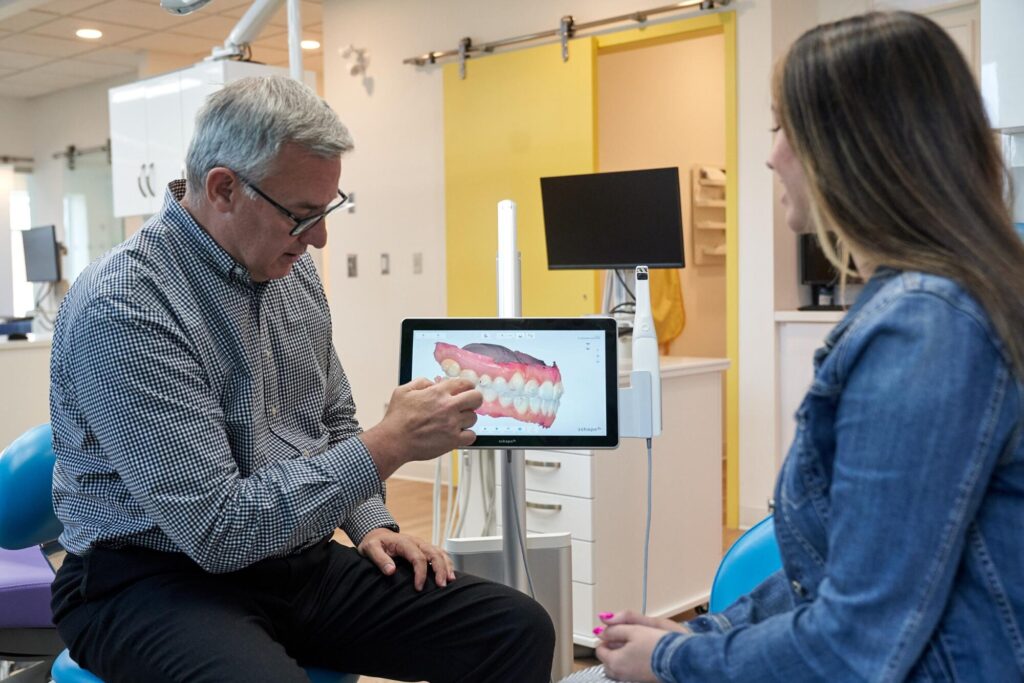
- Custom plan. We use X-rays and digital scans (no messy molds) to map out the right treatment.
- Placement day. Braces are bonded to the teeth, or your teen receives their first set of clear aligners.
- Regular visits. Every 4 to 8 weeks, we adjust wires or hand off new aligner trays to keep teeth moving on schedule.
- Retainer phase. Once teeth are in their final position, a retainer locks in the results.
Most teens settle into the routine quickly. We coach them on cleaning, eating, and what to expect between visits so there are no surprises.
Why Are the Teen Years So Good for Straightening Smiles?
Straightening smiles during the teen years brings real health and confidence rewards. Straight teeth are easier to clean, corrected bites work better and wear more evenly, and a smile your teen feels good about shows up in daily life. Treating issues while the jaw still grows can also shorten the time with us. Here are the biggest payoffs our family at Topsmiles in Winnipeg sees:
- Easier cleaning. Straight teeth are simpler to brush and floss, which lowers the risk of cavities and gum disease.
- Better bite function. Corrected bites reduce jaw strain, uneven tooth wear, and chewing difficulty.
- Shorter treatment. Treating issues while the jaw is still growing can speed up results compared to waiting until adulthood.
- Stronger confidence. A grin your teen loves shows up everywhere, in class photos, on the field, and in everyday conversations.
- Clearer speech. Aligning the teeth and bite can help with speech sounds that crooked teeth make tricky.
According to the American Association of Orthodontists, early evaluation and well-timed care can prevent more involved treatment later, and the AAO recommends a first check by age 7. We see this play out in real life under Dr. Alvaro Salles. Teens who finish a smile transformation often tell us they grin bigger, eat more comfortably, and feel better about themselves.
Braces vs. Clear Aligners for Teens
All three options, metal braces, clear braces, and clear aligners, can straighten a teen’s smile effectively. The right pick depends on your teen’s bite, lifestyle, and personality. Braces handle complex cases and need no daily discipline, while clear aligners offer a discreet, removable choice for committed wearers. Here’s a quick comparison:
| Feature | Metal Braces | Clear Braces | Clear Aligners |
|---|---|---|---|
| Look | Visible metal brackets | Tooth-colored brackets, more discreet | Nearly invisible trays |
| Best for | Complex bite and alignment cases | Teens wanting a subtle look with bracket strength | Mild to moderate cases with disciplined wear |
| Removable | No | No | Yes, for eating and brushing |
| Wear time | 24/7 (fixed) | 24/7 (fixed) | 20 to 22 hours per day |
| Maintenance | Brush around brackets, avoid hard or sticky foods | Same as metal braces | Clean trays daily, brush after meals |
| Comfort | Modern designs are smoother than older versions | Similar to metal braces | No brackets or wires |
Metal braces remain a tried & true treatment for complex cases. Clear braces blend in with the natural smile, which many teens prefer for school and photos. Clear aligners are removable and comfortable, making them ideal for self-disciplined teens who’ll stick to the 20 to 22 hours of daily wear.
Dr. Alvaro Salles will walk you through which option fits your teen best. Sometimes the choice is clear after one look at the scans, and sometimes it comes down to lifestyle preferences.
What Affects the Cost of Teen Orthodontics?
The cost of teen orthodontics depends on a handful of factors, and a free ortho consult is the fastest way to get a real estimate. We’ll review the case and give you clear pricing, no guessing. Many Winnipeg families find the numbers more manageable than they expected once financing is in the picture.
Here’s what shapes the final number:
- Treatment type. Metal braces, clear braces, and clear aligners each have different price points.
- Case complexity. Minor crowding takes less time and fewer adjustments than a major bite correction.
- Treatment length. Longer plans naturally cost more than shorter ones.
- Insurance coverage. Many dental plans cover part of orthodontic care for teens. We help you understand your benefits.
- Payment plans. Flexible financing can spread the cost over the treatment period, which makes budgeting easier.
Great care should fit your family’s budget. During your free consult, we’ll walk through every number so you can make a confident decision.
Does My Teen Need Braces? Signs to Watch For
Not every teen needs braces, but many can benefit from an evaluation. Watch for these signs:
- Crowded, overlapping, or crooked teeth
- Noticeable gaps between teeth
- Trouble chewing, biting, or speaking clearly
- Jaw clicking, soreness, or frequent mouth breathing
- Teeth that stick out further than they should
- A bite that doesn’t line up evenly when the mouth closes
- Thumb-sucking or pacifier habits that lasted into later childhood
The American Association of Orthodontists recommends a first orthodontic evaluation by age 7. For most teens, ages 12 to 14 are a great window for a follow-up assessment, since most permanent teeth have erupted by then.
If you’ve noticed any of these signs, or you’re just curious, a free ortho consult with Dr. Alvaro Salles is a low-pressure way to find out where things stand. We know your child’s smile matters to you, and we love helping families plan ahead. This is exactly why teens should get orthodontic treatment at the right moment rather than waiting.
Frequently Asked Questions
When is the best age for a teen to get braces?
Most teens start orthodontic treatment between ages 11 and 14. By this point, most baby teeth have fallen out, permanent teeth are in place, and the jaw is still growing, which makes shifting teeth more efficient. That said, every teen is different, and a free ortho consult is the best way to find the right timing for your child.
How long does teen orthodontic treatment take?
Most teen treatments take 12 to 24 months. Simpler cases can wrap up faster, while complex bite corrections may take longer. Wearing aligners as directed, keeping every visit, and following care instructions all help keep treatment on schedule.
Are clear aligners as effective as braces for teens?
For many cases, yes. Clear aligners work well for mild to moderate crowding, spacing, and bite issues when worn 20 to 22 hours per day. Braces are usually the better choice for more complex alignment or bite issues. Dr. Alvaro Salles will recommend the option that fits your teen’s case.
Will braces interfere with sports or playing instruments?
Teens can absolutely play sports and instruments with braces. A custom mouthguard protects braces and lips during contact sports. For instruments, there’s a short adjustment period, especially with wind and brass, but most teens adapt within a few weeks.
Does orthodontic treatment hurt?
Most teens feel mild soreness for a few days after braces are placed or after a new aligner set, and it fades quickly. Over-the-counter relief, soft foods, and orthodontic wax help with any tenderness. We give every teen tips to stay comfortable throughout treatment.
How do I schedule a free consultation at Topsmiles?
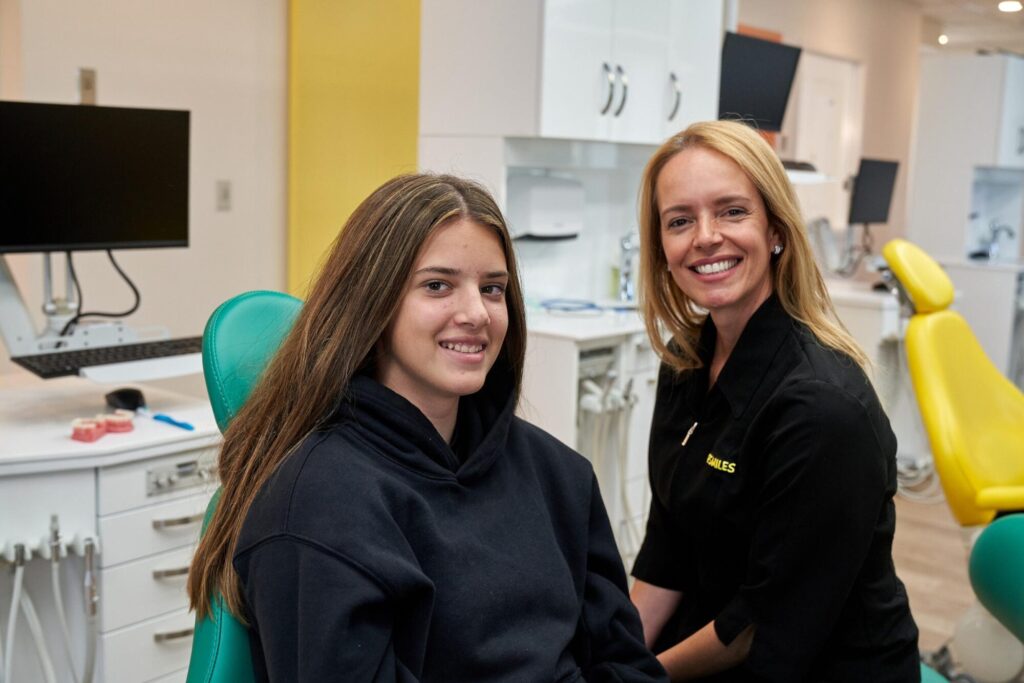
You can learn more and book a free ortho consult online through our new patient page, or reach our team by phone if you have questions first. We’ll set up a visit at one of our offices, meet your teen, review their smile, and walk through the options together so you have all the information you need.